Write-off categories explained: Cat A, B, S and N
What Cat S and Cat N really mean, which written-off cars can go back on the road, and how to find out before you buy one.
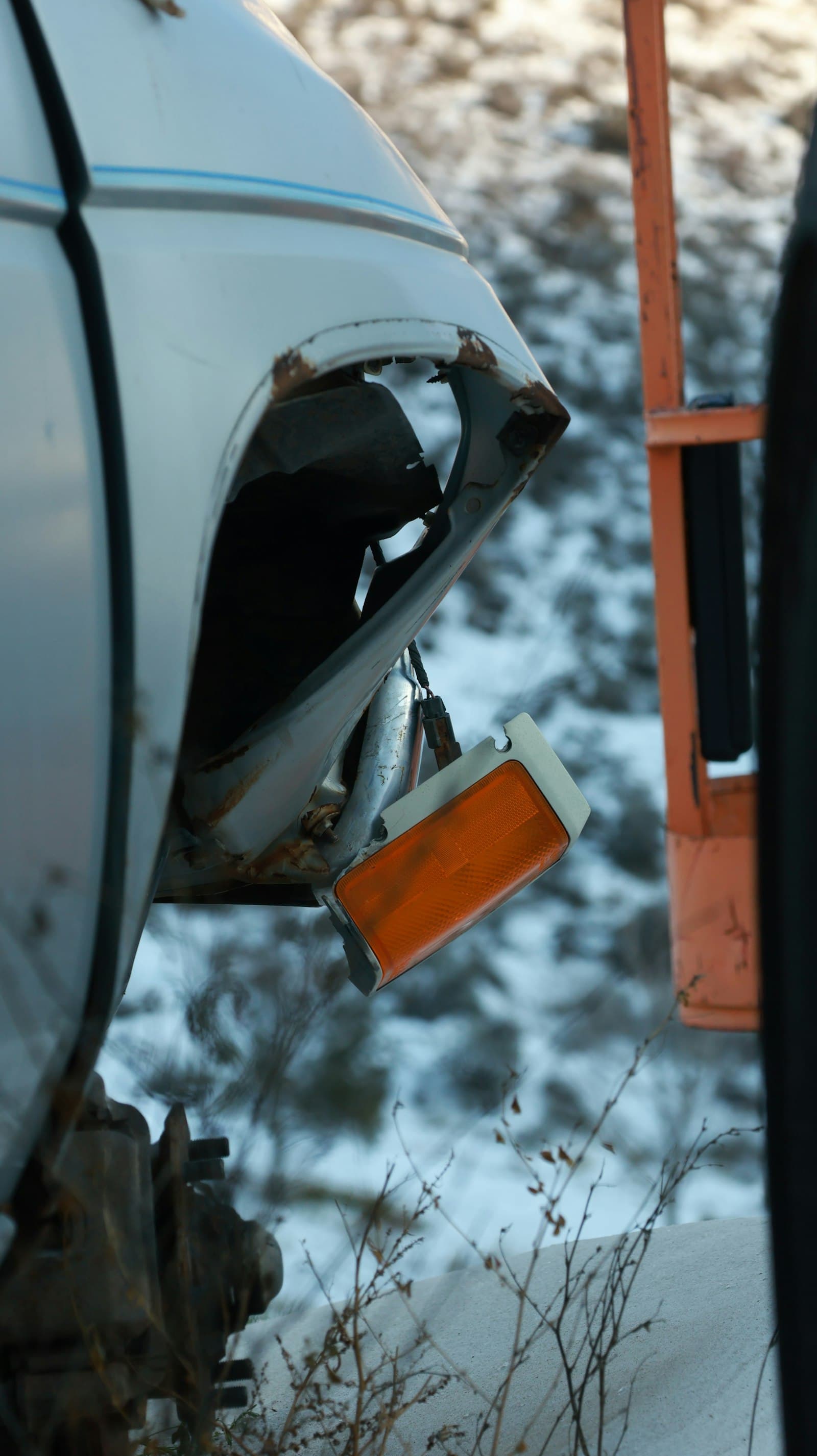
The car is cheaper than others like it, and the seller says it’s “had a bit of bodywork”. That might be nothing. Or it might have been written off by an insurer, which changes what it’s worth, what it costs to insure and what you should pay for it.
When an insurer decides a damaged car isn’t worth repairing, or can’t be repaired safely, it’s written off and given a category. Since October 2017 there have been four: A, B, S and N. They replaced the old Cat C and Cat D.
The four categories
- Cat A (scrap): so badly damaged that no parts are worth saving. It must be crushed.
- Cat B (break): the body must be crushed, but some parts can be salvaged. It can never go back on the road.
- Cat S (structural): the car’s structure, such as the chassis or crumple zones, was damaged. It can be repaired and driven again.
- Cat N (non-structural): damage elsewhere, such as panels, lights or electrics, cost too much to repair. It can be repaired and driven again.
Properly repaired, Cat S and Cat N cars can be legal and safe, and many are sold openly for less. The problem is a seller who doesn’t tell you.
Why a write-off matters to a buyer
- Value: a written-off car is usually worth less, and will be when you come to sell it too.
- Insurance: some insurers charge more for Cat S or Cat N cars, or won’t cover them at all.
- Repairs: a Cat S car that’s been repaired badly may not protect you as well in a crash.
- It stays: the category stays on the car’s record for good.
How to find out if a car was written off
Write-offs don’t appear in the MOT history. They’re held in insurers’ records, and the full report checks them for the car, along with UK salvage auctions, so you see the category before you see the car. Don’t rely on the seller to mention it.
If it is a Cat S or Cat N car
Knowing the category up front puts you in control: you can decide whether you want it, and negotiate a fair price if you do.
- Ask what the damage was and who repaired it, and for photos and invoices of the repair.
- Have the repair looked at by an independent mechanic, especially on a Cat S car.
- Get an insurance quote with the registration before you agree a price.
- Make sure the price reflects the write-off.
Write-offs aren’t the only thing to check
A car with a clean record on write-offs can still have finance on it or be recorded as stolen. Here’s what each means if you buy:
| If the car has | What it means if you buy |
|---|---|
| Outstanding finance | The lender may try to take the car back, or ask you to prove you bought it in good faith. You could be left chasing the seller for your money. |
| An insurance write-off | It’s usually worth less, some insurers charge more or won’t cover it, and the category stays on its record for good. |
| A theft record | The police can take the car back for its owner, and you’d have to recover your money from the seller. |
| Taxi or private hire use | Years of hard work in a short time: high miles, lots of stop-start driving and worn interiors. |
| Keeper and plate changes | Whether the seller’s story adds up: how many owners it’s really had, and whether its plate has changed. |