How to check a used car’s mileage
Wound-back mileage still turns up on UK used cars. How to spot it for free with the MOT history, and what else to check before you pay.
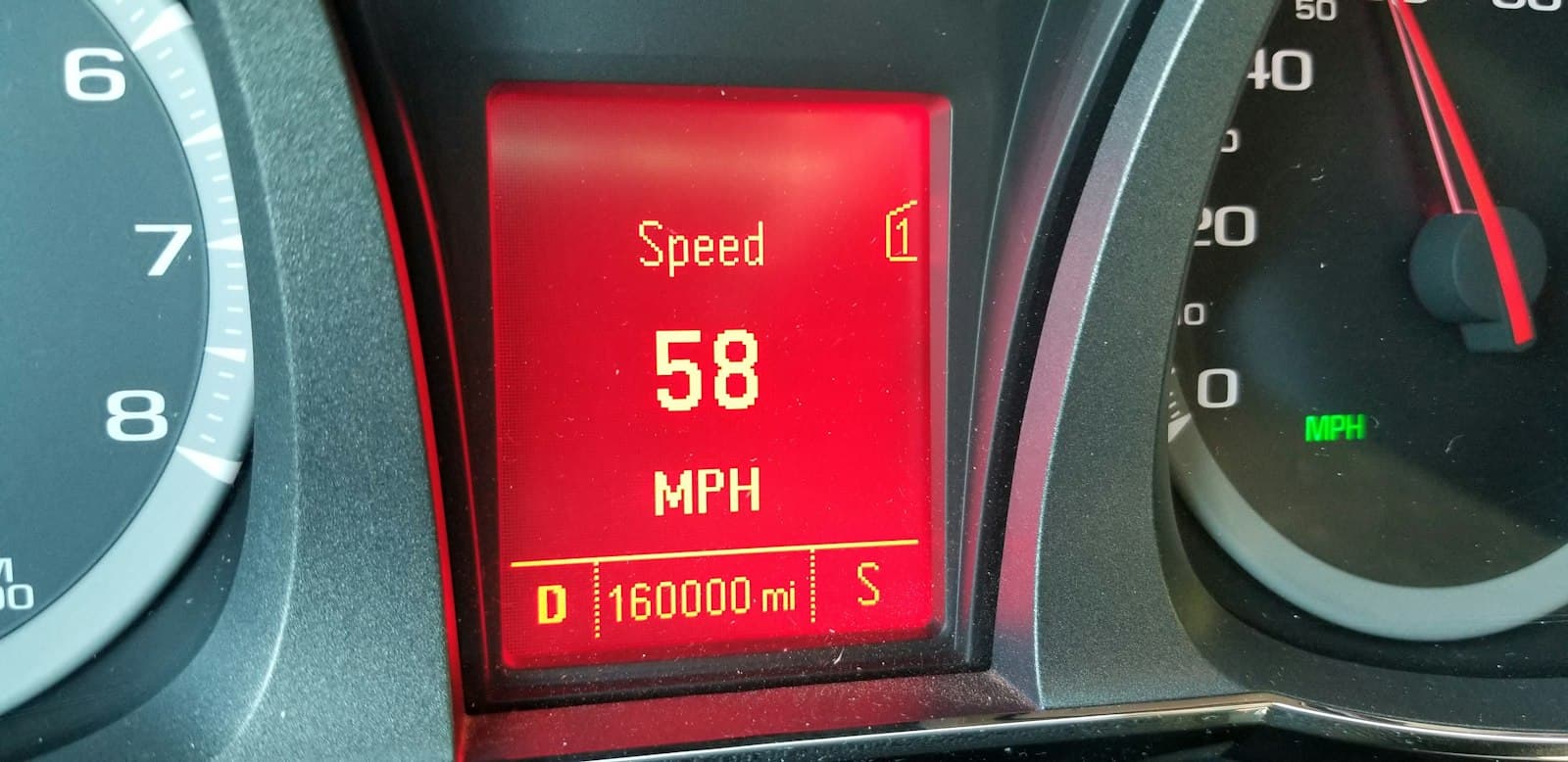
You’ve found a car with low miles for its age, and the price reflects it. Before you travel to see it, make sure those miles are real. Winding back the mileage, known as clocking, makes a car look younger and worth more than it is. Selling a car with false mileage without telling the buyer is against the law, but it still happens, and digital dashboards can be altered with cheap tools.
The good news: you can check the mileage yourself, for free, in a couple of minutes. Got the registration? Run a free check now and follow along.
Start with the MOT history
Cars need an MOT every year once they’re three years old (four in Northern Ireland), and the tester records the mileage each time. That gives you a reading from every test since 2005 in England, Scotland and Wales, and since 2017 in Northern Ireland. An AUTO373 free check lines every reading up for you and points out any gaps between tests.
The mileage should only ever go up. Look for:
- A reading lower than the one before it.
- A gap of more than a year between MOTs, when the car may have been off the road, or driven without a test.
- A year with very few miles next to years with lots, or the other way round.
- A dashboard reading that doesn’t fit the last MOT reading plus a sensible amount since.
Line it up with the service history
The MOT readings and the service history work best together. Service stamps and invoices with the mileage written on them should slot in neatly between the MOT readings. If one reading looks out of place next to all the others, the service book usually shows whether it was a typing slip on test day or a real problem.
Then look at the car itself
- Wear that matches the miles. A shiny steering wheel, worn pedal rubbers or a tired driver’s seat on a low-mileage car is a warning sign.
- Old MOT certificates and receipts, kept with the car.
- The V5C logbook in the seller’s name, at the address where you’re viewing the car.
If the mileage looks wrong
Ask the seller to explain it, and to show you the paperwork. If the answer doesn’t add up, walk away: there are plenty of other cars. If you’ve already bought a car you believe was clocked, contact Citizens Advice, who can pass it on to Trading Standards.
The mileage is only part of the story
Genuine miles don’t tell you whether the seller can legally sell the car. Finance, write-offs and theft are kept on separate registers, not in the MOT history, and they’re the problems that cost buyers the most:
| If the car has | What it means if you buy |
|---|---|
| Outstanding finance | The lender may try to take the car back, or ask you to prove you bought it in good faith. You could be left chasing the seller for your money. |
| An insurance write-off | It’s usually worth less, some insurers charge more or won’t cover it, and the category stays on its record for good. |
| A theft record | The police can take the car back for its owner, and you’d have to recover your money from the seller. |
| Taxi or private hire use | Years of hard work in a short time: high miles, lots of stop-start driving and worn interiors. |
| Keeper and plate changes | Whether the seller’s story adds up: how many owners it’s really had, and whether its plate has changed. |